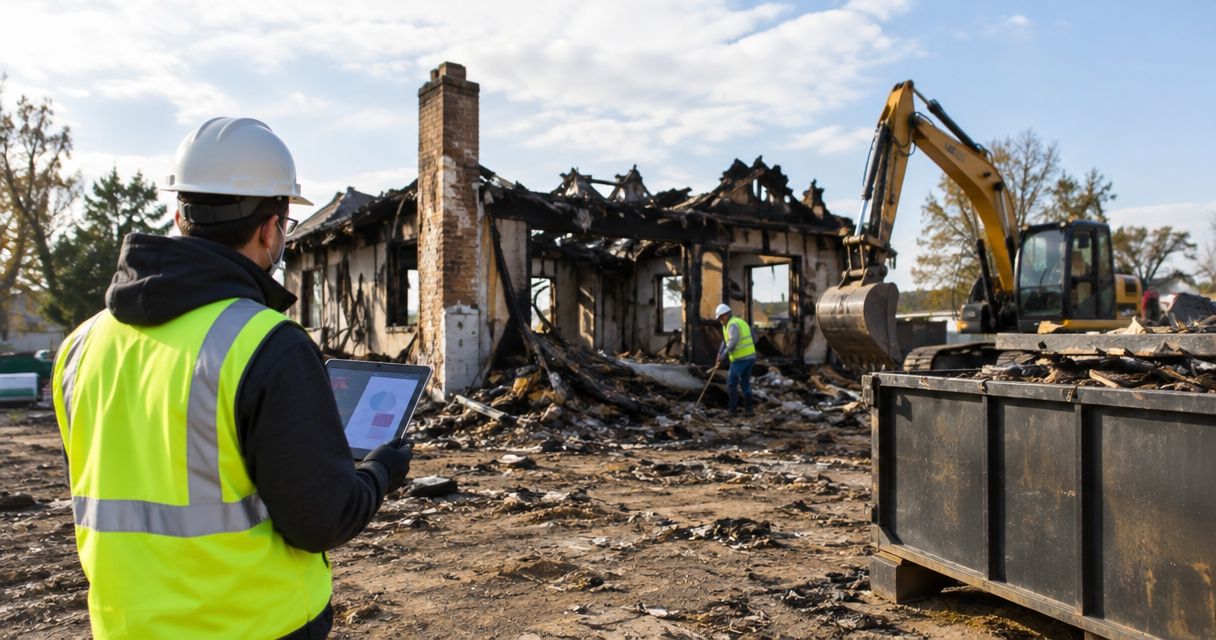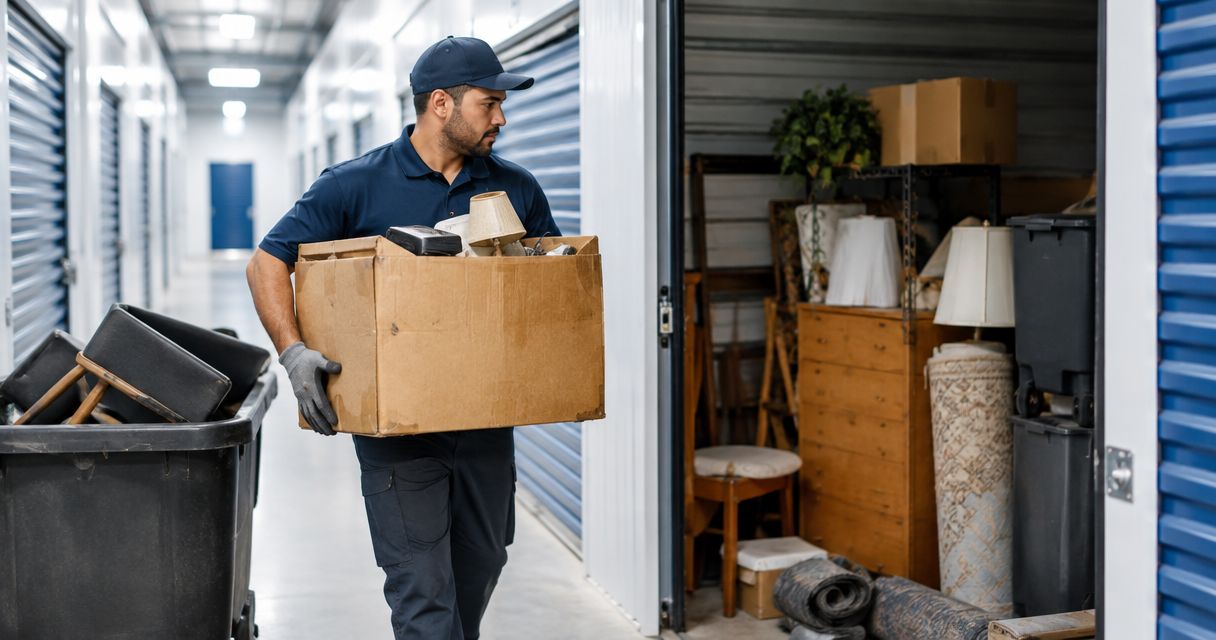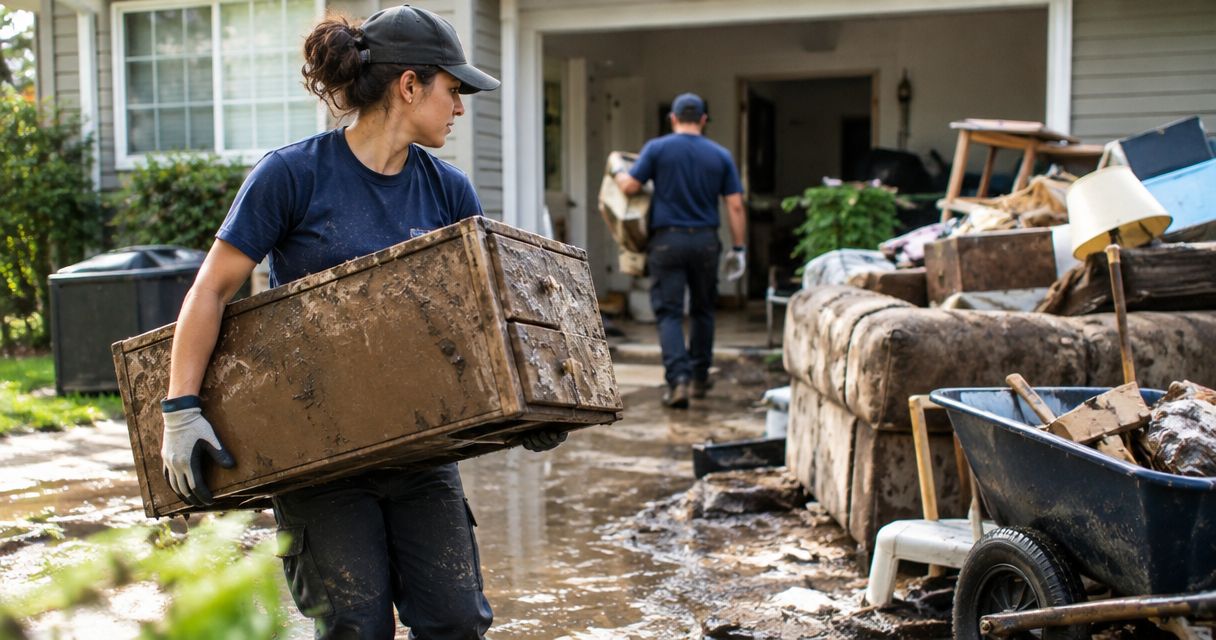
Instead of repeatedly moving flood-damaged belongings, set up a flood damage cleanup junk removal workflow that documents losses, separates unsafe materials, and schedules only approved debris for hauling. Get the property's safety conditions assessed first: a cleared room is not proof that a flooded home is safe or dry.
- Flood damage cleanup junk removal follows safety assessment and loss documentation, not the other way around.
- Idaho Junk Solutions is best for Treasure Valley homeowners needing load-priced hauling of approved, nonhazardous cleanout debris.
- Keep contaminated materials outside the hauling scope; specialist cleanup and property drying are separate jobs.
- Confirm accepted materials, load scope, and property access before scheduling removal.
Why this matters
Flood recovery has separate jobs: making the building safe, documenting damage, removing approved contents, drying the structure, and repairing it. Treating those jobs as one pickup creates confusion about what the crew should touch and what must stay for inspection.
Idaho Junk Solutions provides junk removal, property cleanouts, and demolition in the Treasure Valley. For this 2026 workflow, the hauling role stays narrow: remove agreed, nonhazardous materials after the relevant safety and documentation checks. Hazardous-material pickup, handling, removal, and disposal are not part of that service.
Book hauling against an approved material list, not a blanket instruction to empty the house. That protects belongings you need to retain and prevents a removal crew from arriving before specialist work is complete.
Before you start
- Get permission and safe access. Have the property owner's authorization, the responsible decision-maker's contact details, and any entry restrictions from emergency responders or qualified contractors. Do not enter standing water or operate electrical equipment in a flooded area.
- Prepare your records. Gather damage photos, an item inventory, insurer instructions where applicable, and a room-by-room scope. Obtain approval before discarding belongings belonging to tenants, an estate, or another owner.
- Resolve the contamination question first. Floodwater can contain sewage, chemicals, and other contaminants. Appearance does not establish safety; have uncertain materials assessed before requesting hauling, and disclose known hazards before anyone arrives.
The non-obvious snag is assuming that dry means acceptable. A dried couch, carpet, or box can still present a contamination issue. Do not move questionable items into an otherwise clean garage to make pickup easier.
Set up your safety and scope record
Establish the work boundary
- Identify the water source. Record what is known about the flooding without guessing whether it was clean. Tell the restoration professional about sewage, fuel, chemical containers, or other suspected contamination.
- Confirm entry conditions. Ask the appropriate qualified professional to address electrical, structural, and contamination concerns. Follow their restrictions; a hauling appointment does not replace an assessment.
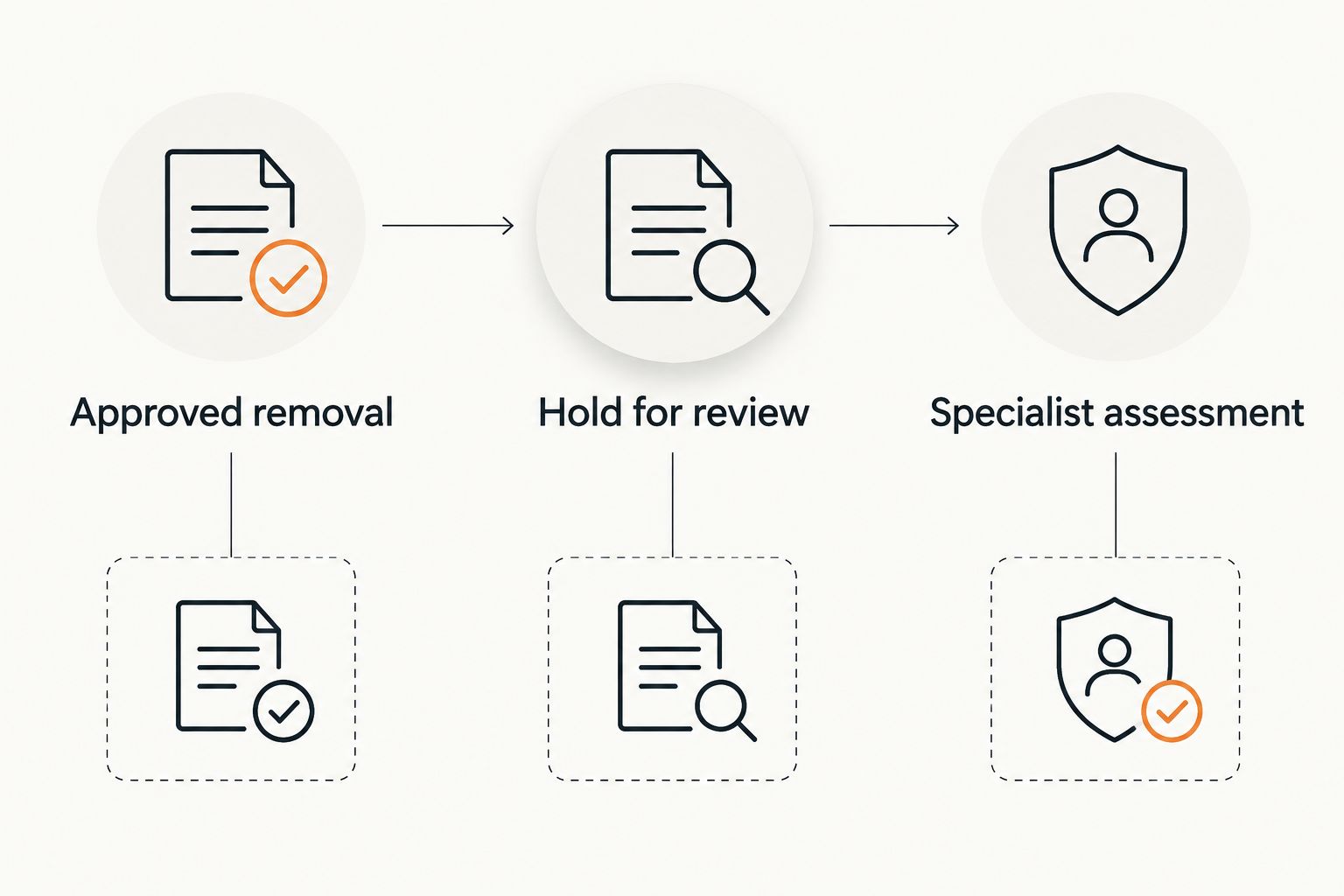
- Record the permitted work. Create a paper checklist or shared document with these labels: Approved removal, Hold for review, and Specialist assessment. These are labels you create, not settings in a booking system.
- Assign a decision-maker. Name the person who can authorize disposal and changes to the scope. For a rental, identify who handles tenant belongings and who approves building work.
Expected result: You have a written boundary between accepted hauling, belongings that must remain, and materials that need another professional.
Keep the distinction between contents and building materials clear. A loose chair and an attached wall panel require different decisions. Removing attached materials can expose wiring, plumbing, or suspect materials, so do not include demolition by assumption.
For a 2026 project record, put the inspection date and the decision-maker's name beside each restriction. A dated instruction is easier to follow than a text message saying everything should be fine.
Choose the right workstream
| Workstream | Best for | Main benefit | Limit or trade-off |
|---|---|---|---|
| Professional assessment and restoration | Uncertain contamination, wet assemblies, or unsafe entry | Establishes the safety and drying work needed | Does not automatically settle disposal authorization or hauling scope |
| Approved junk hauling | Accepted, nonhazardous contents and agreed debris | Clears the specified materials from the property | Does not establish that the building is dry, disinfected, or repair-ready |
| Planned demolition | Attached materials approved for removal | Separates building removal from loose-content hauling | Requires a defined scope and checks for utilities and suspect materials |
These workstreams can belong to the same recovery plan, but they are not interchangeable. Choose the service by the condition of the material, not just by how much space it occupies.
Configure your inventory and sorting zones
Document before anything leaves
- Photograph each affected room. Capture the overall damage and individual belongings from a safe position. Do not enter a restricted area just to improve the pictures.
- Write an item list. Identify the room, item, owner, damage description, and proposed action. Record identifying details when visible without unsafe handling.
- Check disposal instructions. Ask your insurer what documentation or inspection is needed before disposal. Do not assume photographs alone satisfy your policy's requirements.
- Mark decisions clearly. Use Approved removal, Hold for review, and Specialist assessment consistently across the inventory and any safe staging area.
Expected result: Every item proposed for hauling has an owner-authorized decision, and unresolved belongings stay out of the pickup scope.
Use 3 sorting zones only where the space is safe to use. The labels describe decisions, not instructions to carry contaminated objects around the property. Leave restricted materials in place and tell the relevant professional where they are.
Keep records connected to the load
Give each room a plain name, such as kitchen or back bedroom, and use it on the inventory. Avoid descriptions like the pile by the door; piles change as work progresses.
For your 2026 cleanout file, retain the original photos alongside the final removal list. If an item changes from hold to approved, record who authorized the change before it joins the load.
Do not bag unknown chemicals, open suspect containers, or mix questionable debris with approved contents. Hiding a problem inside a bag does not make it suitable for ordinary hauling.
Configure the hauling scope and arrival plan
Send a usable job description
- Describe the accepted materials. Send the approved list and clear photos taken safely. Identify bulky belongings, detached materials, and anything still attached to the building.
- Describe the property. Include the Boise, Meridian, Nampa, or Caldwell location, stairs, gates, parking restrictions, and the proposed route through the home. Explain any areas the crew must not enter.
- Disclose restrictions. Share the assessment findings relevant to the job and identify materials excluded from removal. Do not describe an unresolved flood cleanout as ordinary household junk.
- Confirm the load scope. Idaho Junk Solutions uses load pricing, with pricing confirmed before work starts. Ask what is included and how a changed scope will be approved before additional work proceeds.
- Confirm arrival communication. Agree on the one-hour arrival window and the contact who will receive ETA updates. Arrange access around that window rather than assuming same-day service.
Expected result: The hauling team knows what it is being asked to remove, where it can work, and who approves the job.
A 14-cubic-yard trailer is a useful reference for discussing load volume, but volume alone does not define a flood job. Material condition, acceptance, and the actual work requested still need review. Describe the contents rather than guessing a load size from the home's floor area.
Idaho Junk Solutions confirms load pricing before work starts; flood-related materials still need acceptance checks. The advantage is a defined hauling scope. The limit is equally clear: that scope does not include hazardous-material handling or restoration clearance.
Prepare the property without spreading the mess
Keep retained belongings out of the agreed work route where you can do so safely. Identify fragile surfaces, doors that must remain shut, and areas already released to another contractor.
Ask about property protection before loading begins. Do not drag suspect debris across clean flooring or ask the crew to cross a restricted room for a shorter route. Owner involvement is worth discussing when needed, but do not plan on the owner attending every job.
Plan your approved debris pickup
Discuss accepted materials, load scope, and access before work starts.
Set up the loading and handoff check
Verify the scope at arrival
- Walk the approved area. Match the removal list to the actual belongings before loading. Point out retained items, restricted areas, and any conditions that have changed.
- Confirm the agreement. Review the load pricing and included work before the crew starts. Stop for clarification if the actual pile differs from the photos.
- Pause on unexpected materials. If a suspect container, contamination concern, or hidden attached material appears, stop that part of the job. Get the appropriate assessment instead of quietly adding it to the load.
- Check the emptied space. Compare the completed work with the agreed list. Photograph the result from a safe position and record anything left for another contractor.
- Hand off the next task. Tell the restoration or repair lead what was removed and what remains. Do not describe the home as ready for occupancy based on an empty floor.
Expected result: The agreed debris is gone, unresolved materials remain identified, and the next contractor receives a useful record.
For the final 2026 handoff, distinguish hauling complete from restoration complete. Removing belongings opens space for inspection and work; it does not verify moisture conditions, indoor air quality, or structural safety.
Repeat the workflow when another room is released
A phased cleanout makes sense when qualified contractors release rooms at different times. Best for: occupied properties, multi-room damage, and projects with inspection holds. Its benefit is keeping restricted materials outside the active job; the trade-off is coordinating separate scopes and visits.
Repeat the same sequence for each newly approved area:
- Update the assessment and access restrictions.
- Add the room's approved contents to the inventory.
- Send new photos and confirm the revised hauling scope.
- Complete a separate removal and handoff check.
Do not reuse an earlier approval automatically. A later room can contain different materials or hazards even when the visible damage looks similar.
Troubleshooting
- The pile includes items nobody assessed. Leave those items out of the load. Ask the responsible professional to resolve their status and then confirm acceptance with the hauling provider.
- The insurer still needs an inspection. Keep affected belongings on hold and ask for disposal instructions. Do not treat a booked pickup as permission to discard evidence.
- The load is larger than the photos showed. Stop and review the scope before additional loading. Separate newly discovered material from the original agreement.
- The only route crosses a restricted area. Do not improvise a carry path. Resolve access with the responsible contractor before scheduling or continuing removal.
- Someone expects drying or disinfection with hauling. Correct the work order. Assign restoration work separately and keep the hauling completion record limited to what was removed.
Customize your workflow
For larger property cleanouts, use one master inventory and separate room-level approvals. Property managers should also track who authorized tenant-property disposal, who controls access, and which contractor receives the handoff.
If the recovery plan includes attached materials, use the demolition guide for general contractors to organize a separate demolition discussion. Do not fold wall, floor, shed, or other structural removal into a loose-junk instruction.
For a 2026 project involving both contents and building work, keep separate completion notes. That makes it clear which materials left the property and which safety or repair decisions remain open.
FAQ
What comes first in flood damage cleanup junk removal?
Safety assessment and loss documentation come before hauling. Confirm entry conditions, identify contamination concerns, and obtain the necessary disposal authorization before anything leaves.
Can Idaho Junk Solutions remove hazardous flood debris?
Idaho Junk Solutions does not offer hazardous-material pickup, handling, removal, or disposal. Disclose flood exposure and suspected contamination before requesting acceptance of any materials.
Can junk hauling replace a water damage restoration company?
No. Junk hauling removes agreed materials; it does not establish that a building is dry, disinfected, structurally safe, or ready to occupy.
Should I throw away damaged belongings before the insurance inspection?
Follow your insurer's documentation and disposal instructions before discarding belongings. Photograph damage safely and retain an inventory, but do not assume those records replace an inspection requirement.
How does load pricing work for an approved flood cleanout?
Load pricing bases the hauling discussion on the agreed volume and work scope. Confirm accepted materials and the pricing before work starts, then approve scope changes before additional work proceeds.
What should I do if another room is ready after the first pickup?
Create a new room-level approval and update the inventory before arranging more hauling. Confirm that room's material acceptance and access rather than relying on the earlier scope.
One last thing
An empty room can still be an unfinished recovery job. Before the last approved load leaves, name the person responsible for the next inspection or restoration step and give them the removal record. That handoff matters more than a clean-looking photograph.