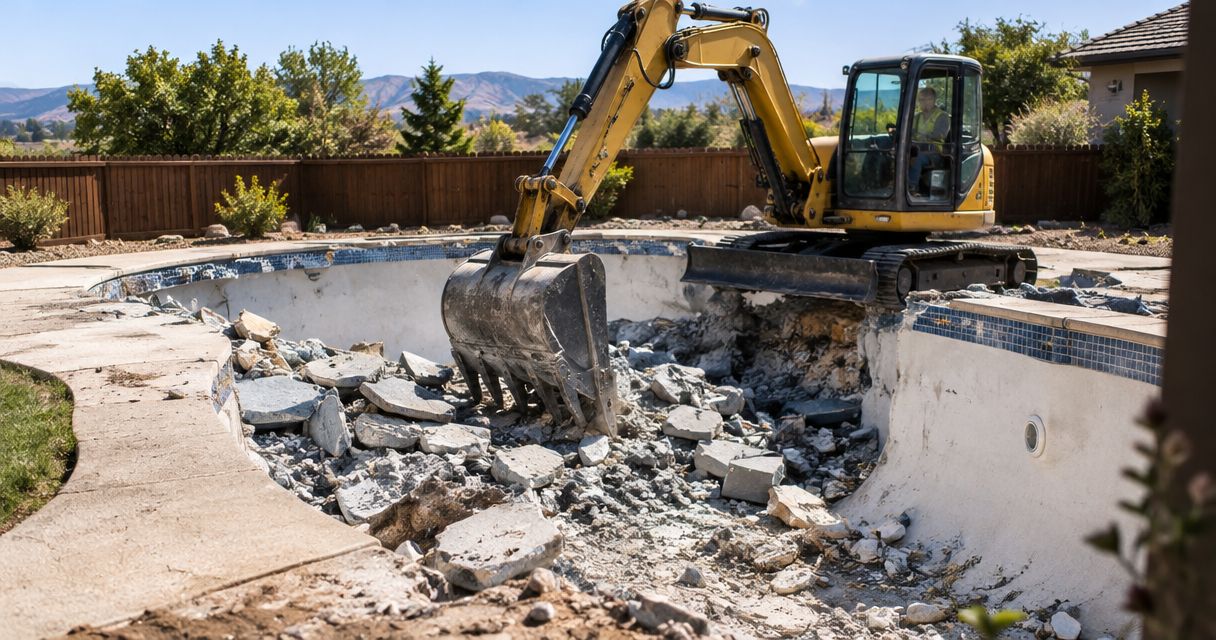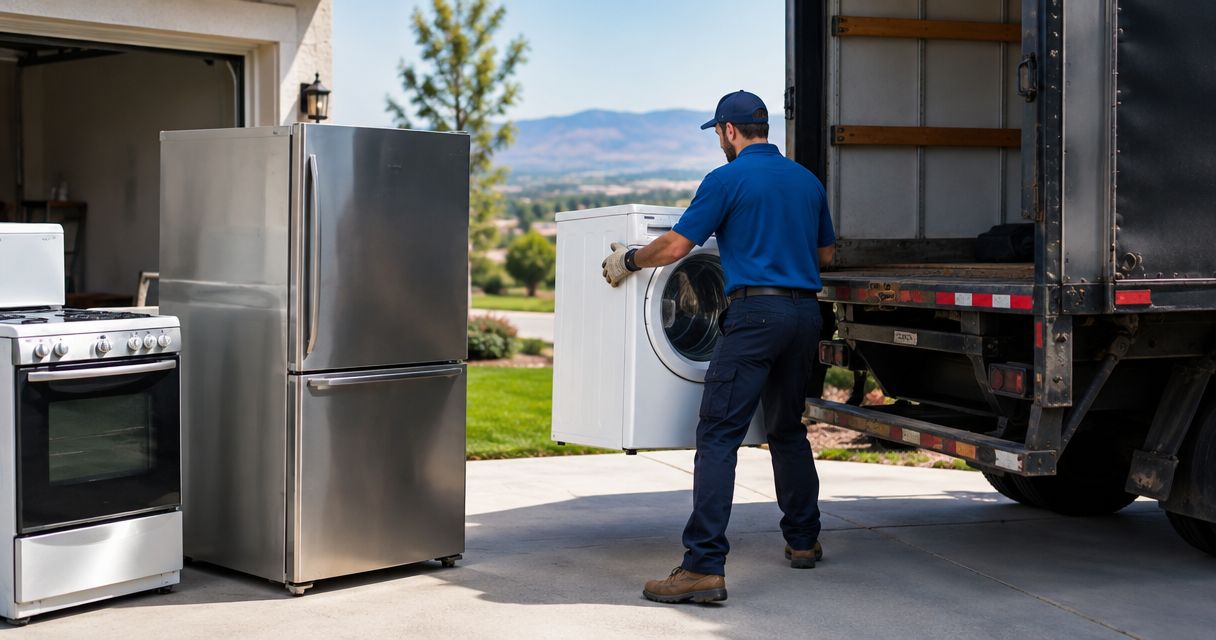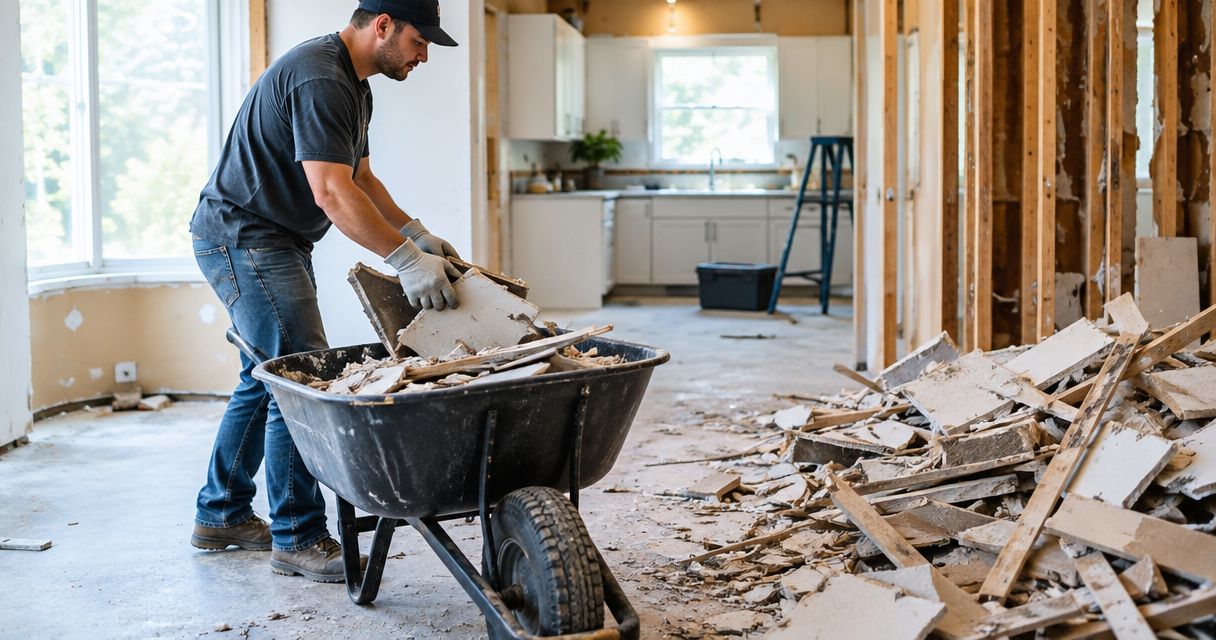
Yes—junk removal can take construction debris from a DIY remodel when the hauler approves the materials and the load meets safe transport requirements. Confirm the debris list before booking: hauling loose material is different from demolition, and hazardous materials require a separate disposal route.
- Junk removal construction debris DIY remodel planning starts with material approval, not just pile size.
- Idaho Junk Solutions offers load-priced hauling with pricing confirmed before work starts.
- Separate dense rubble, sharp debris, reusable items, and suspect materials before requesting pickup.
- Choose hauling for an approved, ready-to-remove pile; arrange demolition separately for anything still attached.
Can junk removal take construction debris from a DIY remodel?
Yes, but approval applies to the actual materials—not everything that comes out of a room. Describe what you removed, where it sits, and whether anything remains attached. For your 2026 remodel, get those details settled before you build a mixed pile that is harder to assess.
Use this checklist to describe the job. These are material categories to discuss, not a blanket acceptance list.
| Debris category | What to tell the hauler | What needs confirmation |
|---|---|---|
| Cabinets, trim, and lumber | Whether pieces are loose, bulky, or have exposed fasteners | Material acceptance and safe handling |
| Drywall and flooring | Material type, condition, and whether it is bagged | Acceptance, containment, and any contamination concerns |
| Tile, brick, and concrete | Keep dense rubble separate in your description | Weight limits and loading requirements |
| Fixtures and appliances | Identify each item rather than calling everything remodel debris | Item acceptance and required disconnection |
| Paint, chemicals, or suspect building materials | Identify them separately; do not mix them into the pile | Appropriate specialist or local disposal instructions |
Why this matters
A remodel creates more than a pile of junk. It creates decisions about weight, sharp edges, attached fixtures, and materials you cannot identify by sight.
Idaho Junk Solutions provides junk removal, property cleanouts, and demolition in the Treasure Valley. For homeowners in Boise, Meridian, Nampa, and Caldwell, the useful distinction is simple: tell the company whether you need loose debris hauled away, material removed from the building, or both.
A clear scope protects your property and avoids a pickup conversation turning into an unplanned demolition discussion. It also gives you a practical way to compare quotes: the same materials, the same removal area, and the same finish point.
How do you prepare construction debris for pickup?
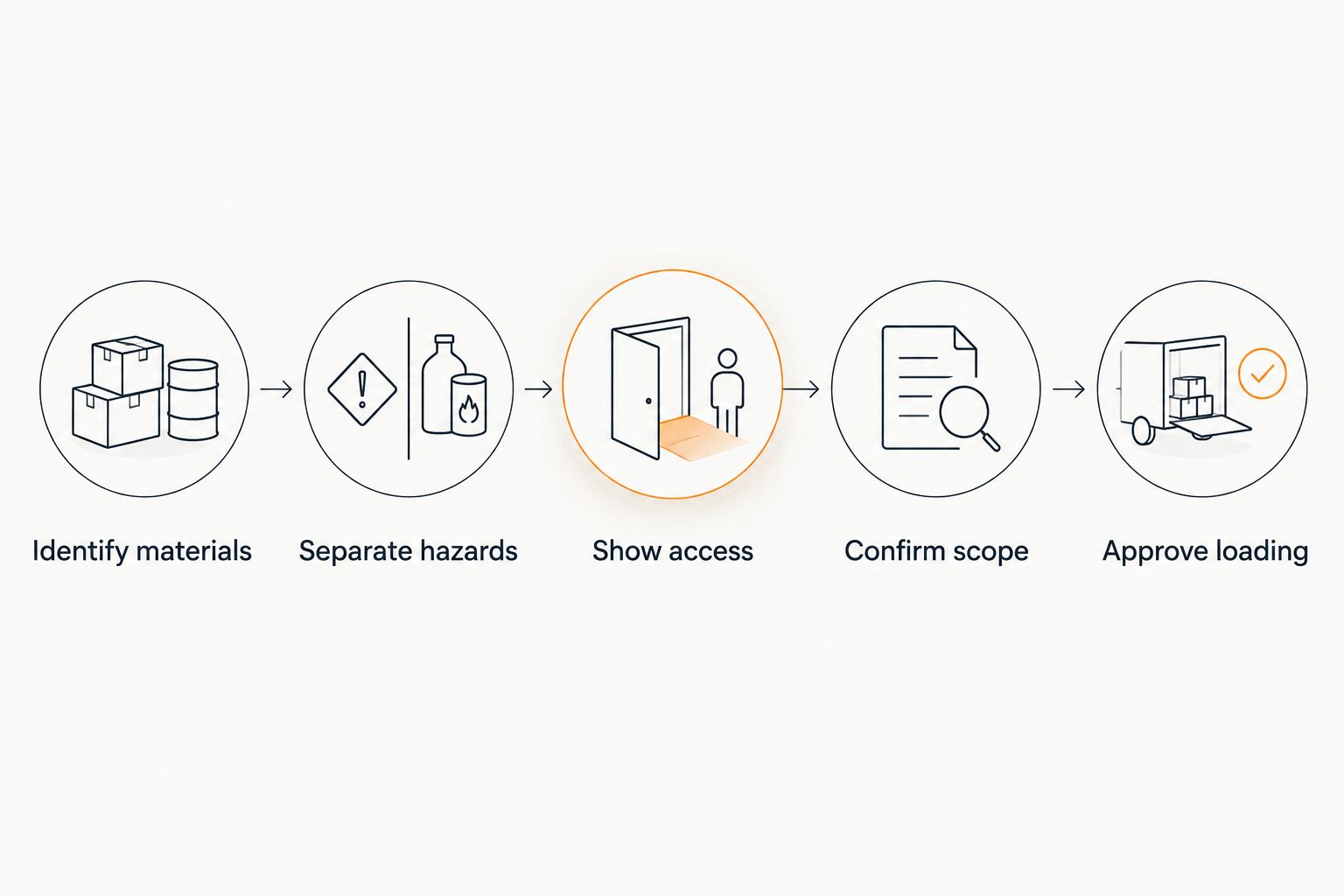
For a 2026 project, organize the request around what the crew needs to assess—not around how many weekends the remodel took. Follow this sequence before scheduling the haul.
Identify materials
Write a plain list: cabinets, wood trim, drywall pieces, tile rubble, or other material actually present. Include items sitting outside the main pile, such as a removed sink or boxed flooring scraps.
Do not call an unknown material ordinary construction waste. Leave suspect material undisturbed and seek qualified identification before cutting, breaking, sweeping, or moving it.
Separate hazards
Keep paint, solvents, chemicals, and suspect materials out of ordinary debris. Do not hide containers inside bags or bury them under lumber.
Hazardous-material removal is not an Idaho Junk Solutions service. If you find an unidentified container or suspect building material, get instructions from the appropriate local waste authority or qualified specialist before continuing that part of the cleanup.
Show access
Photograph the whole pile, then show the route from the debris to the loading area. Include stairs, doorways, gates, tight turns, and anything that must stay in place.
Tell the hauler whether the debris is in a basement, upstairs room, garage, driveway, or backyard. Access information helps define the work even when it does not change the price.
Confirm scope
State exactly what leaves and what stays. If cabinets are still mounted or a fixture remains connected, say so rather than treating it as ready-to-load junk.
Ask where hauling ends and demolition begins. Do not assume the crew will disconnect plumbing, electrical wiring, gas, or other utilities as part of debris pickup.
Approve loading
Review the agreed materials, load size, and price before work starts. Walk through the removal area and point out anything that looks like debris but belongs to the next stage of the remodel.
For your 2026 pickup, make the finish point explicit: which rooms, piles, and loose items are included. A shared understanding beats trying to reconstruct the agreement after the trailer is loaded.
How does load pricing work for remodel debris?
Load pricing describes how much trailer space the approved debris occupies. Idaho Junk Solutions confirms load pricing before work starts; the company’s guidance uses a 14-cubic-yard trailer to explain load size.
For volume arithmetic, half of 14 cubic yards is 7 cubic yards, and a quarter is 3.5 cubic yards. Those figures describe space, not an approved weight allowance for construction debris. A half-load of bulky cabinets is not the same handling problem as the same volume of concrete.
Use these distinctions when you describe the pile:
- Bulky pieces: Cabinets and similar shapes contain empty space and can be awkward to stack.
- Dense rubble: Tile, brick, and concrete need a weight discussion, not just a volume estimate.
- Mixed debris: Describe the heavy material separately instead of averaging it into the whole pile.
- Additional work: Attached materials require a separate scope discussion before anyone treats them as loose debris.
Do not fill heavy bags simply to make the pile look smaller. Ask how the hauler wants dense or sharp material prepared before you spend time repacking it.
A 2026 quote should name the approved debris and the work included. Confirm what happens if you add another room’s waste after the original assessment; a changed pile needs a renewed agreement.
Why construction-debris pickup requirements vary
The room name does not define the hauling job. Two bathroom remodels can leave very different piles, so describe these factors directly:
- Material type: Wood, fixtures, drywall, and rubble need separate descriptions because they create different loading and disposal questions.
- Density: Heavy material can reach safe transport limits before a trailer looks full. Ask about the actual material rather than relying on trailer size.
- Condition: Loose, dusty, sharp, wet, or suspect material needs a clear description before approval.
- Removal scope: A disconnected cabinet on the floor is different from a cabinet still secured to the wall.
- Access route: Stairs, narrow passages, and finished surfaces affect how the crew plans the work. Describe them without assuming an extra charge.
- Project stage: A final cleanup and an active demolition site require different boundaries. Identify what is ready to leave now.
These factors explain why a photo of the pile alone is not always enough. Add a short written description so the assessment covers what the camera misses.
Is junk removal or a dumpster better for a DIY remodel?
Junk removal is best for an approved pile you want a crew to load; a dumpster is best when you need a container while debris accumulates. Neither option makes hazardous or unidentified material acceptable.
For a 2026 project, compare the work you will do—not just the container or truck. Ask about accepted materials, loading responsibility, placement, and the end of the job.
| Option | Best for | Main advantage | Main limitation |
|---|---|---|---|
| Crew-loaded junk removal | A defined pile ready to leave | You arrange removal without loading the hauling vehicle yourself | The pile and scope need approval; further demolition creates another decision |
| Dumpster rental | Ongoing work where you want an on-site container | You can load as the approved debris accumulates | You handle loading and must confirm placement, material rules, and weight terms |
| Self-hauling | Manageable approved debris with suitable transport | You control the trip and loading schedule | You handle safe loading, load securement, unloading, and disposal checks |
The drawback to crew-loaded hauling is timing: if you keep tearing out material after pickup, you still have debris. The drawback to a dumpster is responsibility: having a container does not solve lifting, sorting, or loading for you.
Choose based on your work sequence. Finish the agreed demolition before a final pickup, or clearly identify which stage the haul covers.
Can you put concrete and tile with wood and drywall?
Concrete and tile need separate approval because density matters as well as space. Describe the rubble separately even when you want everything collected during the same visit.
Do not assume mixing materials makes the job simpler. Keep heavy rubble identifiable, and ask about loading instructions before moving it into bags or containers you cannot safely lift.
For a larger remodel, mark the different piles in your photos. That lets you explain the job without guessing a total weight you have not measured.
Can a pickup crew remove cabinets or fixtures still attached?
Attached cabinets or fixtures require an agreed removal or demolition scope, not an assumption that ordinary hauling includes detachment. Identify fasteners, connections, and any utilities before booking.
Leave utility disconnections to the appropriate qualified professional. Do not cut wires, pipes, or structural members just to make the pickup easier.
If your remodel includes demolition and hauling, request both together in the scope. The useful question is not whether the crew can take the pieces afterward; it is who is responsible for safely creating those pieces.
What should you send when requesting a pickup?
Send a material list, clear photos, the debris location, and a description of the loading route. Include anything you are unsure about rather than leaving it for arrival day.
Use this short message as a starting point:
- Project location: your city and the part of the property being remodeled.
- Debris: the actual materials, with dense rubble listed separately.
- Current condition: loose, bagged, attached, or awaiting disconnection.
- Access: stairs, gates, doorways, and the route to the loading area.
- Scope: what leaves, what stays, and whether demolition is also requested.
- Timing: when the agreed pile will be ready for assessment and pickup.
Ask for the arrival window and how updates are sent. The company uses a one-hour arrival window with ETA updates; that is an arrival commitment, not a promise that every construction-debris job takes one hour.
Plan your remodel debris pickup
Describe the materials, access, and demolition scope so load pricing is clear before work starts.
FAQ
Can junk removal take debris from my DIY kitchen remodel?
Yes, junk removal can take approved kitchen-remodel debris when the materials and removal scope are agreed in advance. Identify cabinets, flooring, fixtures, and dense rubble separately, and disclose anything still attached or connected.
Do I need to bag all my construction debris?
Do not bag everything before asking how the hauler wants the material prepared. Dense rubble and sharp pieces need specific loading instructions, and unidentified material should remain undisturbed pending qualified advice.
Does a full trailer mean I can fill it with concrete?
No, trailer volume is not permission to load that volume of concrete. Dense material requires confirmation of safe weight and loading limits before pickup.
Will a junk removal crew disconnect my sink or electrical fixtures?
Do not assume debris pickup includes utility disconnection. Arrange appropriate qualified help and confirm any demolition or detachment work separately.
Can I include leftover paint and chemicals in the debris pile?
Keep paint and chemicals out of the ordinary construction-debris pile. Get material-specific instructions from the appropriate local waste authority or qualified disposal provider rather than treating them as approved hauling items.
Do I have to move all the debris to the driveway?
Confirm the pickup location before moving the debris yourself. Tell the hauler about stairs, gates, interior rooms, and finished surfaces so the removal route is part of the agreed plan.
Can I keep adding debris after the pickup is quoted?
Confirm any additions before loading because a larger or different pile changes the agreed scope. Send updated photos and identify new materials instead of assuming the original agreement covers them.
One last thing
Idaho Junk Solutions is best for Treasure Valley homeowners who want load-priced junk removal confirmed before work starts. Its hauling and demolition services let you discuss both parts of a remodel, but each part still needs a clear scope.
Before your 2026 pickup, walk the route backward—from the loading area to the debris. Look for doors that must stay clear, finished flooring that needs attention, and belongings mixed into the pile. The goal is not just an empty room; it is an agreed removal that leaves the rest of your property alone.