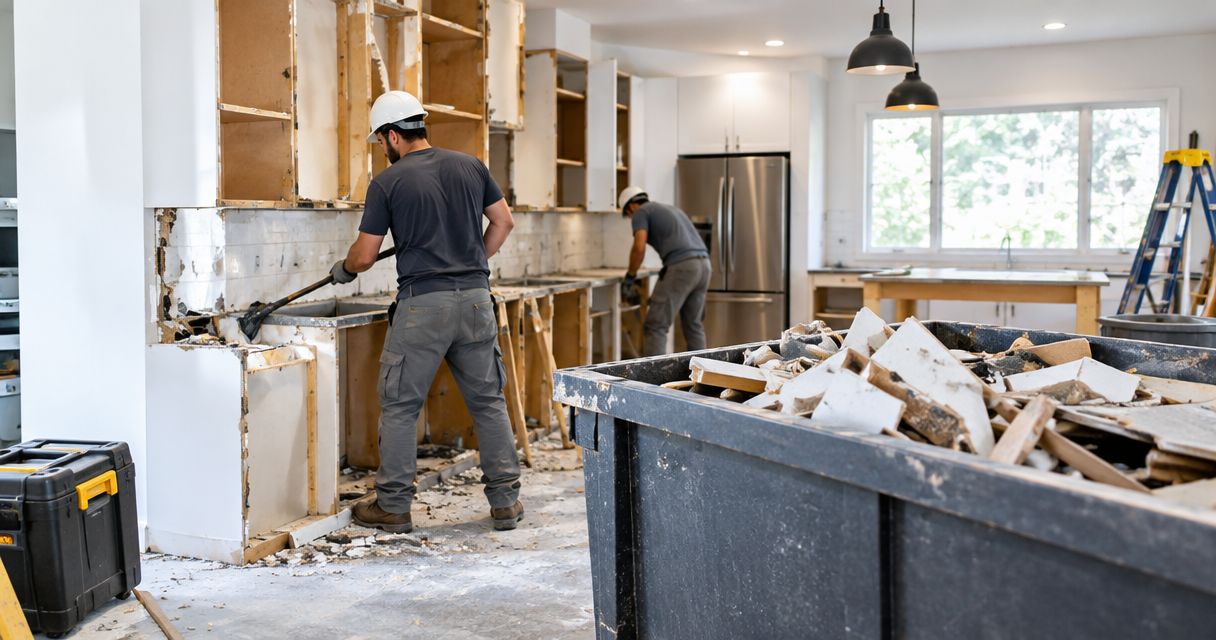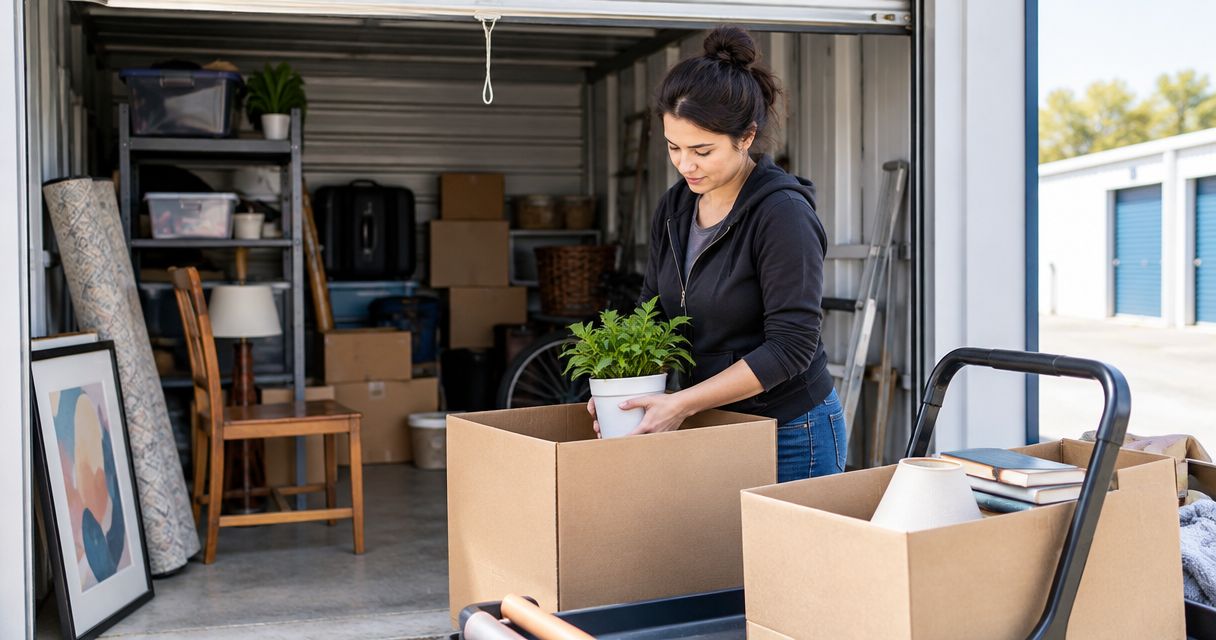
Instead of repeatedly sorting the same auction haul and making unplanned disposal trips, run your 2026 storage unit auction cleanout in order: confirm the facility’s deadline, separate what you’re keeping, arrange removal, and get the empty unit accepted. Keep sale inventory out of the removal pile before loading starts.
- Idaho Junk Solutions is best for Treasure Valley auction buyers who need load-priced junk removal after sorting their purchases.
- A storage unit auction cleanout starts with written facility instructions, not a truck reservation.
- Separate resale inventory, return-to-office items, and removal material before approving the hauling scope.
- Finish with the facility’s acceptance of the empty unit, not just a photograph of an empty doorway.
Why this matters
Winning the contents and finishing the cleanout are different jobs. Your auction purchase tells you what you bought; the facility’s instructions tell you when and how the space must be returned.
For buyers in Boise, Meridian, Nampa, and Caldwell, Idaho Junk Solutions offers load-priced junk removal and property cleanout hauling. Idaho Junk Solutions is best for Treasure Valley auction buyers who need load-priced junk removal after sorting their purchases. The service does not replace your decisions about ownership, resale value, or what the facility requires you to return.
Use this 2026 workflow to keep those decisions separate. A hauling appointment is not permission to enter the property, use its dumpsters, or leave unwanted items outside the unit.
Before you start
- Get the auction paperwork and facility instructions. Confirm your right to access the unit, the exact cleanout deadline, gate hours, permitted work hours, and who accepts the finished space. Ask about personal papers and other items the office wants returned.
- Bring sorting materials and arrange destinations. Use clearly marked containers, suitable gloves, closed-toe footwear, and a phone for photos. Decide where retained goods will go before you move them out of the unit.
- Check contractor access before booking removal. Your own gate access does not establish a hauling crew’s access. Ask about vehicle entry, loading locations, elevators, and whether staff must be present; a closed office can stop an otherwise organized job.
Do not open unknown containers or disturb suspected hazardous material. Keep clear, notify the facility, and seek instructions from the appropriate qualified provider. Hazardous-material pickup, handling, removal, and disposal are not services Idaho Junk Solutions offers.
Facility access and completion requirements
- Record the deadline. Copy the facility’s exact date and time into your job notes. Ask whether the unit must be inspected before that deadline or simply emptied; do not treat those requirements as interchangeable.
- Confirm the finish standard. Ask whether the facility expects sweeping, removal of loose scraps, a particular lock arrangement, or an office walkthrough. Follow its instructions rather than assuming that an empty floor is enough.
- Confirm the loading route. Walk from the unit to the approved vehicle position. Note stairs, corners, door openings, elevator access, and anything that changes how bulky pieces must travel.
- Document the starting condition. Photograph the contents and any visible wall, door, or floor damage without moving unsafe material. Keep these photos with the auction paperwork, separate from your resale listings.
- Write the handoff instructions. Include the unit identifier, facility contact, entry instructions, loading location, and completion requirements. Share access information only with the people authorized to use it.
Expected result: You have a written definition of finished, a permitted loading route, and a deadline everyone working the job understands.
For a 2026 auction purchase, keep the facility’s current instructions attached to that specific job. Instructions from a previous auction are not a substitute.
Sorting zones and retained inventory
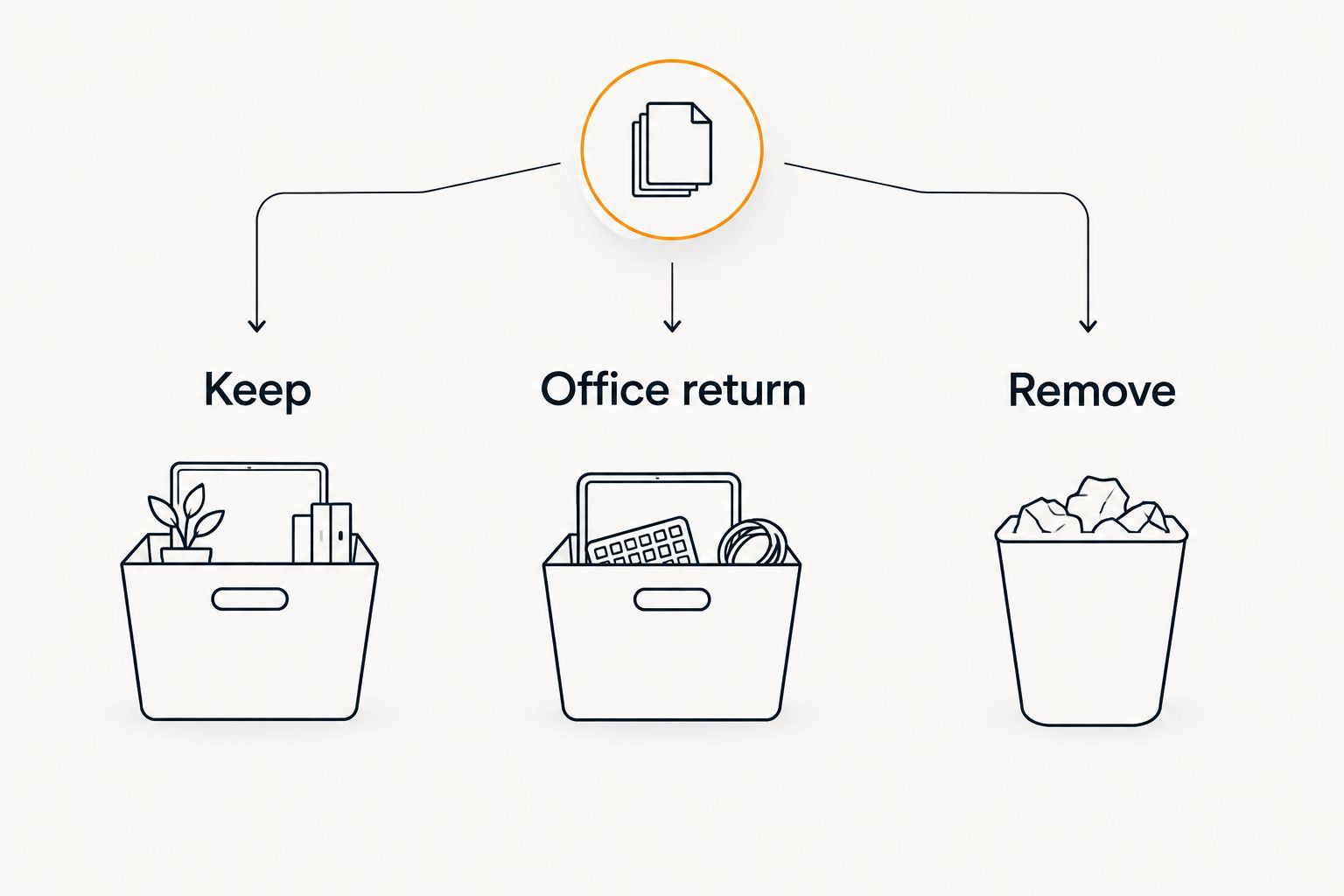
- Create 3 sorting zones. Mark them Keep, Office return, and Remove. Place the zones inside your authorized work area; do not spread contents into neighboring units or shared travel lanes.
- Separate retained goods first. Move resale inventory and personal keeps into marked containers or directly into your own vehicle when permitted. Avoid leaving a valuable item beside an unmarked removal pile.
- Set aside office-return items. Ask the facility how it wants personal records, photographs, identification, or other sensitive items handled. Do not publish documents or assume every item belongs in your resale inventory.
- Photograph the removal scope. Capture the whole unit, the removal pile, bulky pieces, and the loading route. Tell the hauler whether boxes remain unsorted; a closed box does not establish what is safe or suitable to remove.
- Freeze the boundary. Before loading, walk through the piles and point out everything that stays. If you change your mind later, stop and update the scope before another item moves.
Expected result: Every item has a destination, and the hauling crew can distinguish approved removal material from retained goods without guessing.
Do not turn the sorting stage into an open-ended resale project. Set your own decision cutoff early enough to complete removal and the facility handoff within the actual deadline.
Hauling scope and arrival plan
Choose the removal method after sorting, not from the appearance of the untouched unit. The amount you keep changes the hauling job.
| Removal method | Best for | Main advantage | Main limitation |
|---|---|---|---|
| Self-hauling | Buyers with a suitable vehicle and confirmed disposal destinations | You control sorting and transport directly | You handle loading, transport, destination rules, and the return trip |
| Full-service junk removal | Buyers needing help clearing approved unwanted contents | The removal work has a defined scope and scheduled arrival | You still need to identify keeps, confirm access, and exclude unsuitable material |
- Describe the whole job. Give the unit location, deadline, access route, remaining contents, and any unusually heavy or awkward items. Include the facility’s contractor-entry instructions instead of assuming the driver can follow your vehicle through the gate.
- Ask how the load is assessed. Idaho Junk Solutions uses load pricing and a 14-yard trailer. A storage unit’s floor dimensions do not directly establish a trailer load: furniture shape, stack height, and what remains after sorting all matter.
- Confirm the scope and pricing before work starts. Identify what goes, what stays, and any work outside straightforward hauling. Ask how a changed pile will be handled before adding material during loading.
- Coordinate the arrival window. Plan around the company’s one-hour arrival windows and ETA updates. Confirm the actual appointment and facility access together; do not build the job around assumed same-day service.
- Arrange an authorized decision-maker. Stay available to resolve scope questions and protect retained items. Owner involvement is part of the company’s approach, but do not assume the owner attends every job.
Expected result: You have an agreed removal scope, pricing confirmed before work starts, and an arrival plan that fits the facility’s access rules.
Plan your unit cleanout
Discuss the remaining contents, facility access, and load-priced removal before work starts.
Empty-unit inspection and handoff
- Check the cleared space. Look behind the door, along wall edges, and beneath any remaining movable items. Confirm that nothing marked for removal remains and nothing marked Keep has been left behind.
- Complete the required cleanup. Follow the facility’s agreed finish standard. Do not assume sweeping or another finishing task is included in the hauling scope unless you have confirmed it.
- Photograph the result. Take clear views of the floor, corners, doorway, and any area that had pre-existing damage. Avoid including neighboring units or other customers’ belongings.
- Request acceptance. Contact the person designated by the facility and follow its inspection procedure. Ask for written confirmation that your cleanout obligation is complete.
- Close the access arrangements. Follow instructions for the lock, gate credentials, and any outstanding paperwork. Keep the acceptance message with the original auction documents.
Expected result: The facility has accepted the unit under its own requirements, and your records show the completed handoff.
An empty-unit photograph supports your records. It does not replace facility acceptance. If staff cannot inspect immediately, ask how to document completion before leaving rather than making that decision yourself.
Repeat workflow for buyers clearing several units
For repeat auction purchases in 2026, reuse a job sheet rather than copying the previous unit’s instructions. Keep the structure; update every deadline, access condition, and facility contact.
Use these headings for each purchase:
- Facility requirements: deadline, office contact, inspection procedure, and return-to-office instructions.
- Retained inventory: what stays with you and where it will go.
- Removal scope: approved contents, bulky items, loading route, and any unresolved exclusions.
- Arrival plan: confirmed appointment, authorized contact, and entry arrangements.
- Completion record: final photos and written acceptance.
The advantage is consistency. The limitation is that a repeatable form cannot resolve a new access restriction or questionable material; someone still needs to check the actual unit.
If you manage the facility rather than buy its auction contents, use the junk removal guide for storage facility operators. Operator-authorized removal and an auction buyer’s cleanout have different authorization questions.
Troubleshooting
The hauling vehicle cannot reach the loading area
Stop before unloading equipment or blocking a drive aisle. Contact the facility about an approved alternative location, then tell the hauler how the route changes. Do not authorize driving over landscaping or placing material in a fire lane.
The removal pile grows after pricing is confirmed
Pause and identify the added material. Ask the hauler to confirm the revised scope and pricing before loading it. A clear change decision protects both your retained inventory and the agreed job.
Personal documents appear inside a removal box
Keep the documents out of the removal stream and contact the facility for instructions. Do not photograph readable personal information for a public listing or hand it to an unrelated buyer.
You find unknown chemicals, sharps, or suspected contamination
Stop work in the affected area and keep people clear. Notify the facility and seek qualified guidance; do not open, combine, bag, or transport unknown material yourself. A safety charge does not mean hazardous-material removal or disposal is included.
The unit is empty but the office is closed
Use the completion procedure agreed before the job. Send the required documentation and request acceptance through the designated channel. If no after-hours procedure was agreed, contact the facility rather than assuming photos release you from the deadline.
FAQ
What should I do first after winning a storage unit auction?
Confirm the facility’s cleanout deadline, access rules, and completion requirements before arranging removal. Ask who accepts the empty unit and how personal documents or other office-return items must be handled.
Who is Idaho Junk Solutions best for on an auction cleanout?
Idaho Junk Solutions is best for Treasure Valley auction buyers who need load-priced junk removal after separating the goods they want to keep. Confirm the remaining contents, access route, and removal scope before work starts.
How is a storage unit auction cleanout priced?
For load-priced hauling, confirm the material to be removed and the load assessment before work starts. The unit’s floor size alone does not establish how the remaining contents will fill a trailer.
Do I have to sort everything before the hauling crew arrives?
Separate retained goods and identify the approved removal scope before loading begins. Tell the hauler about unsorted boxes rather than assuming their contents are suitable for removal.
Can I book removal before I know the facility’s access rules?
Confirm contractor access before finalizing the hauling appointment. Gate credentials, loading locations, elevators, and office hours can affect whether the crew can reach the unit.
Can a junk removal crew take unknown chemicals from an auction unit?
Do not include unknown chemicals in the hauling pile. Keep clear, notify the facility, and seek qualified guidance; hazardous-material pickup, handling, removal, and disposal are not part of this cleanout service.
What proves my storage unit auction cleanout is finished in 2026?
The facility’s acceptance under its auction instructions is the completion point. Keep final photos and written acceptance together; photographs alone do not replace an inspection or another required handoff.
One last thing
Write the finish line before you touch the first box. A short note naming the deadline, cleanup standard, and person who accepts the unit gives every sorting and hauling decision a clear purpose.
The last task is not loading the last unwanted chair. It is getting the cleared space accepted without leaving an unresolved job behind.