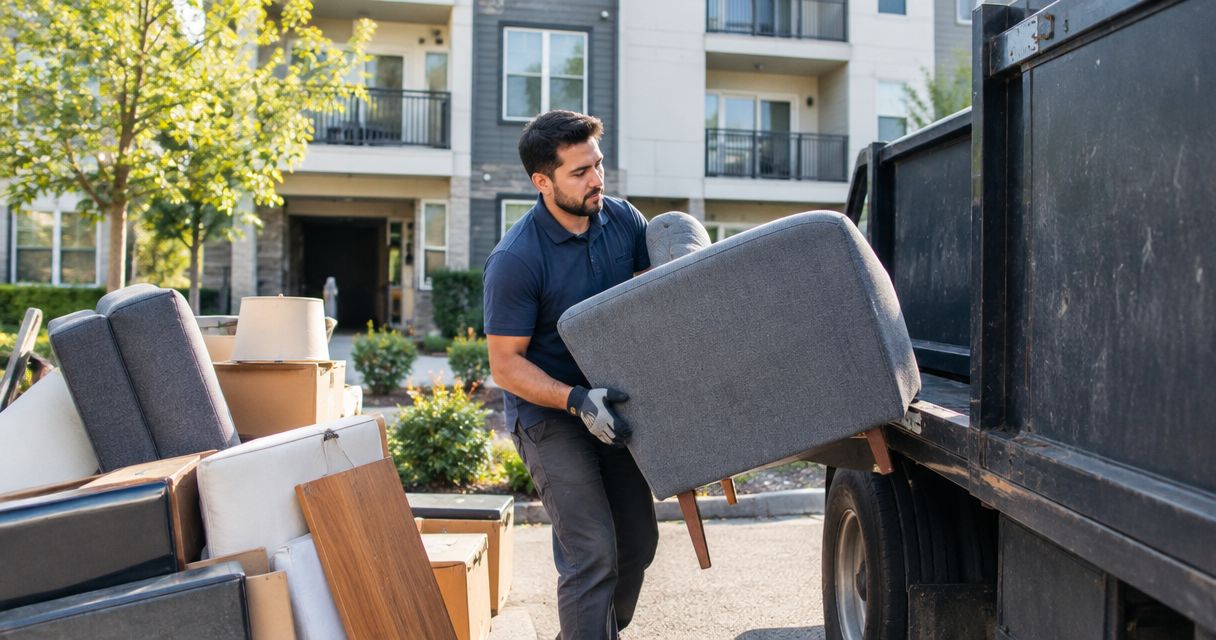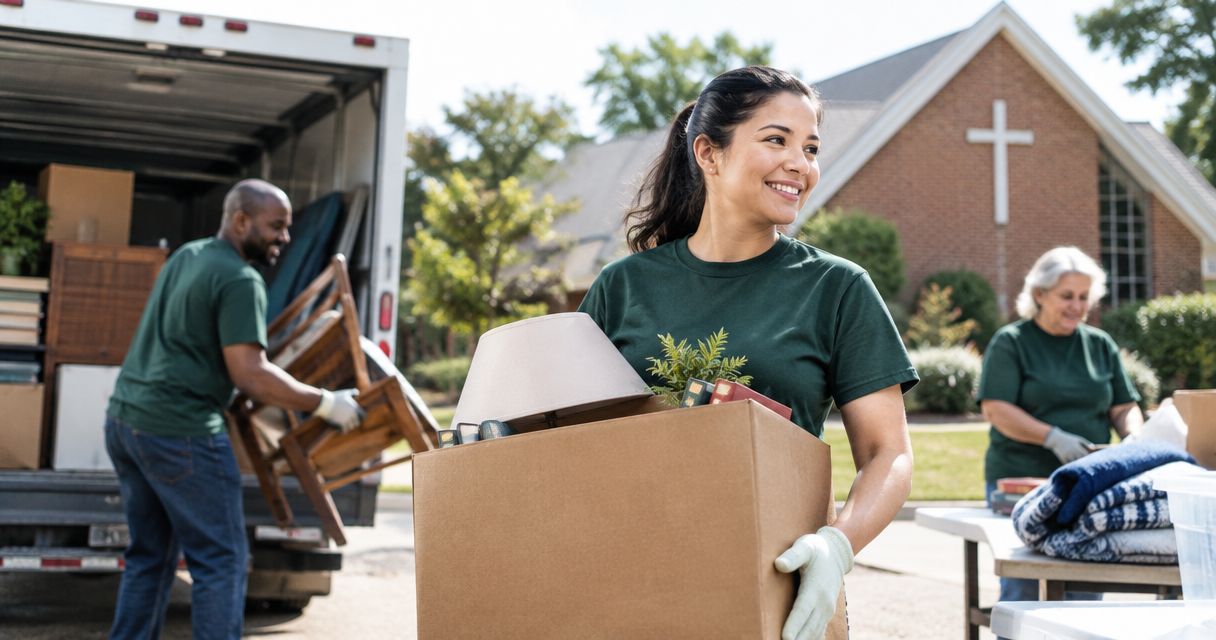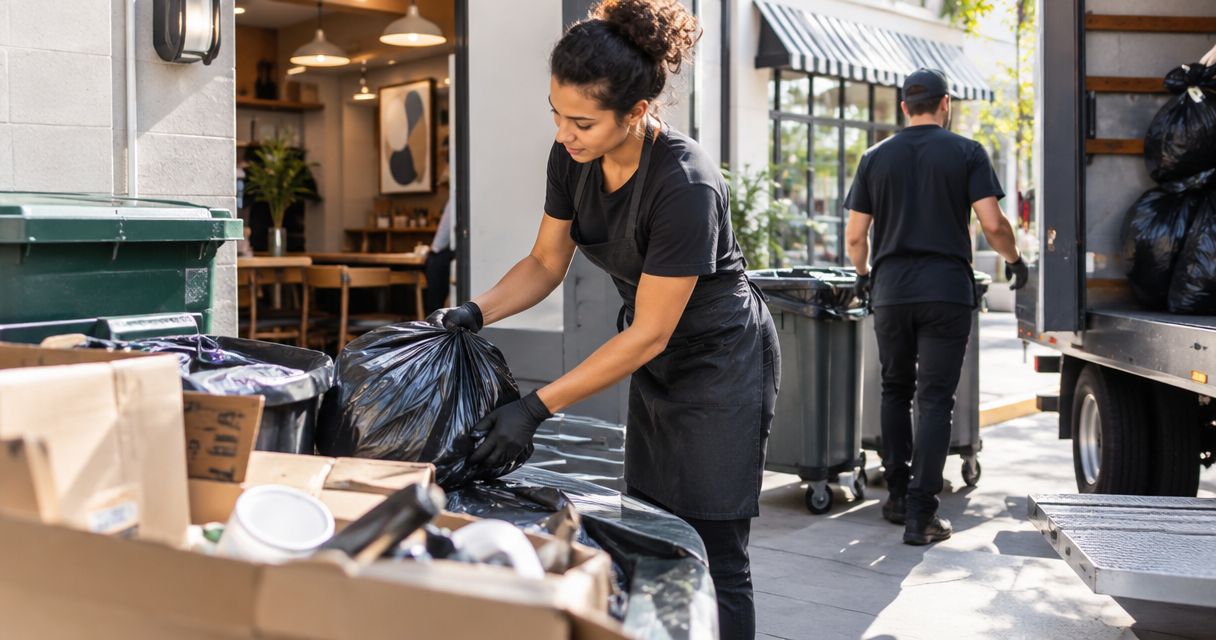
Restaurant and retail junk removal is the planned clearing of unwanted furniture, fixtures, equipment, and stored clutter so your business can reclaim usable space. This 2026 guide to junk removal for restaurants and retail stores explains how to define the load, protect working areas, and arrange hauling without mixing saleable stock or specialist waste into the job.
- Junk removal for restaurants and retail stores starts with a written removal list, not a truck booking.
- Idaho Junk Solutions fits Treasure Valley businesses needing load-priced hauling or full property cleanouts.
- Separate hazardous materials and connected equipment from the ordinary junk-removal scope.
- Confirm the load price, access route, arrival window, and property-care requirements before work starts.
Idaho Junk Solutions is best for Treasure Valley restaurants and retailers needing load-priced junk removal or full property cleanouts. The locally owned company serves businesses and property managers; start with Idaho Junk Solutions when your project needs hauling rather than another temporary storage corner.
Why junk removal matters for restaurants and retail stores
Restaurant and retail cleanouts happen inside working businesses. A pile beside a delivery door affects more than appearance: it competes with incoming stock, staff movement, and the space you need to operate.
Your challenge is deciding what belongs in the load while keeping the business functioning. Restaurant equipment can still be connected to utilities. Retail fixtures can resemble items you intend to reuse. A landlord can own something that your staff assumes is yours to discard.
For a 2026 cleanout, define the business outcome first: reopen a stockroom, clear a closed location, prepare a renovation area, or hand back a commercial space. A cleanout succeeds when the agreed area is usable—not merely when a trailer leaves.
Larger jobs need particular attention to scope. A backroom pickup, a complete store closure, and a demolition project are different assignments, even when they occur at the same address.
How to plan a commercial cleanout
1. Define the area and the finished condition
Walk the property before you request hauling. Start with a written list or a basic floor sketch, and mark the exact rooms, storage areas, and exterior spaces included. Decide what must remain in each area.
For restaurants, distinguish dining furniture from working kitchen equipment and stored supplies. For retailers, separate sales-floor fixtures from inventory, seasonal displays, and landlord-owned fittings. Give whoever approves the job a chance to review these distinctions before loading starts.
Describe the finish in practical terms. An empty stockroom is different from a room with shelving left in place. Removing loose furniture is different from taking out attached fixtures. Photograph the agreed endpoint where a written description leaves room for disagreement.
- List every area included in the cleanout.
- Identify items belonging to the landlord or another business.
- Mark furniture and fixtures that must stay.
- Separate loose-item removal from demolition work.
- Name the person authorized to approve scope changes.
2. Sort the contents before requesting hauling
Use labels, tape, or a handwritten inventory to create clear decisions. Sort usable items before they join the removal pile; your staff should not have to make inventory decisions while a crew waits at the loading door.
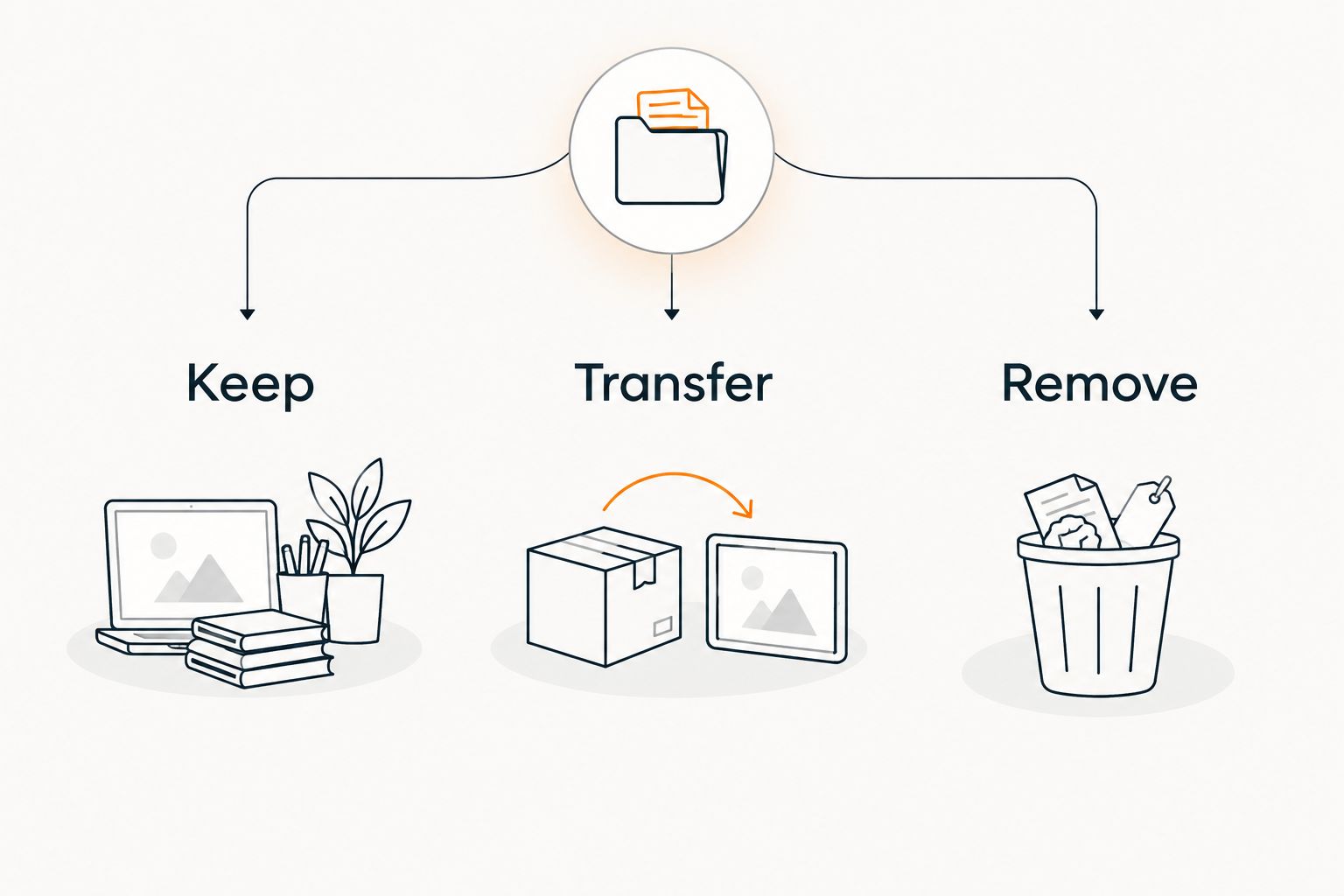
Create 3 lists: keep, transfer, and remove. Transfer covers anything headed to another location, a buyer, or a donation recipient. Confirm that destination yourself rather than assuming a hauling service will arrange it.
For a full property cleanout, Idaho Junk Solutions offers a hauling path once you have identified the removal scope. The service does not replace your decisions about stock ownership, records, or which equipment the business still needs. Keep those decisions with the responsible manager.
- Keep: label stock, tools, supplies, and fixtures staying on site.
- Transfer: identify the recipient and arrange the handoff.
- Remove: group approved junk by room or storage area.
- Protect business records and devices containing customer information.
- Keep uncertain items outside the approved removal group.
3. Separate specialist work from ordinary junk
Inspect equipment before treating it as haul-ready. An appliance connected to gas, water, electrical wiring, or drainage needs a separate preparation decision. Do not ask staff to disconnect unfamiliar systems just to meet a pickup appointment.
Ask an appropriate qualified professional to handle necessary disconnection work. For refrigeration equipment, confirm the requirements for refrigerants and the receiving facility before agreeing to removal. Listing a refrigerator in your inventory does not establish that a particular hauler accepts it.
Idaho Junk Solutions does not offer hazardous-material pickup, removal, handling, or disposal. Keep chemicals, suspected hazardous materials, and biological contamination outside the ordinary hauling scope. If you discover them, stop planning that portion as a standard junk pickup and arrange the appropriate specialist response.
- Flag gas-connected, plumbed, and hardwired equipment.
- Confirm who will complete any required disconnections.
- Ask about acceptance requirements for refrigeration equipment.
- Keep chemicals and suspected hazardous materials separate.
- Identify anchored fixtures requiring a demolition assessment.
4. Document the load and confirm pricing
Take photos before moving everything into a single pile. Start with wide views showing the entire area, then add closer views of bulky items and the route out. A pile photographed from the doorway can hide equipment behind shelving or under tables.
Idaho Junk Solutions uses load pricing confirmed before work starts. Its load-size guidance references a 14-cubic-yard trailer, but that figure is a volume reference—not proof that every object fits or that every material is accepted. Share the actual contents rather than requesting a load size without explaining the job.
For your 2026 project, make sure the agreed price matches the agreed scope. Additions discovered after approval need a fresh decision. Do not assume demolition, utility preparation, or specialist waste arrangements belong in the same hauling agreement.
- Photograph every included room and exterior pile.
- Show bulky items from more than one angle.
- Describe long, awkward, or unusually heavy objects.
- Confirm what the load price covers before work starts.
- Agree how added items or changed scope will be handled.
5. Plan access around deliveries and customers
Walk the removal route during normal business activity. A door that looks clear before opening can become crowded when deliveries arrive or customers queue nearby. Choose a route that keeps the approved removal group separate from active stock.
Check shared-property rules with the landlord or property manager. Confirm where the hauling vehicle can stop, which doors the crew can use, and whether another tenant shares the route. Do not promise access you do not control.
The brand's scheduling approach uses one-hour arrival windows with ETA updates. Match that window to your staffing and delivery plan, and make sure someone can receive updates. An arrival window is not a promise that a complete commercial cleanout takes one hour.
- Identify the loading door and vehicle stopping area.
- Keep exits and working aisles clear.
- Separate removal activity from incoming deliveries.
- Confirm shared access with the property manager.
- Give the crew a reachable on-site contact.
6. Protect the property and supervise decisions
Before loading, walk the route with the crew and point out finishes or obstacles that need care. Restaurant dining areas and retail entrances are not empty warehouses: tables, displays, door frames, and customer-facing floors can sit along the path.
Keep one authorized person available to resolve questions. If staff members give conflicting instructions, pause the disputed item rather than guessing. This matters especially when a store is closing and employees, owners, and landlords have different expectations.
Ask about owner involvement when planning a difficult job, but do not assume the owner attends every appointment. What matters on removal day is that the crew understands the approved scope, the property-care requirements, and who can approve a change.
- Photograph existing marks along the removal route.
- Identify floors, thresholds, and fixtures needing protection.
- Keep approved junk visibly separate from working stock.
- Pause loading when ownership or scope is disputed.
- Require approval before adding demolition or extra removal work.
7. Walk the cleared area before closing the job
Compare the result with your original list while everyone is still on site. Check rooms individually rather than judging the job from the empty space nearest the loading door. Open agreed storage areas and look behind fixtures that remained.
For a 2026 lease handback or renovation, confirm the cleared area against the written scope—not an assumed definition of empty. Removing belongings does not automatically include repairs, deep cleaning, utility work, or restoring the premises to a lease requirement.
Record anything left behind and the reason. An item excluded because it needs specialist preparation is different from an approved item accidentally missed. Clear records let you arrange the next action without confusing it with the completed hauling work.
- Check each area against the approved removal list.
- Confirm retained fixtures and stock remain in place.
- Inspect the loading route and surrounding property.
- Record excluded items and their next required action.
- Confirm the final scope and agreed price before closing the job.
Plan your commercial cleanout
Discuss the removal scope, load pricing, access route, and arrival window before work starts.
Compare removal options for your business
Choose the method around the work, not simply the size of the pile. Staff sorting has a place in almost every cleanout; staff lifting, transport, demolition, and specialist preparation are separate decisions.
For a 2026 restaurant closure or store reset, combining methods can make sense. Your team can identify retained stock, a qualified professional can prepare connected equipment, and a hauling company can remove the approved load.
| Option | Best for | Main advantage | Key limitation |
|---|---|---|---|
| Staff sorting and staging | Identifying stock and fixtures to retain | Keeps ownership decisions with your business | Does not solve transport or disposal |
| Self-hauling | Manageable loose items your team can safely transport | Gives you direct control over the trip | Requires suitable transport and confirmed facility acceptance |
| Load-priced hauling | Bulky pickups and larger approved cleanouts | Moves the removal work into an agreed hauling scope | Acceptance, load size, and job boundaries still need confirmation |
| Existing commercial waste service | Routine waste covered by your current agreement | Uses an established collection arrangement | Bulky items and cleanouts require checking against that agreement |
| Qualified specialist preparation | Connected equipment or material-specific requirements | Addresses work outside ordinary loose-item hauling | Does not automatically include the remaining property cleanout |
| Demolition assessment plus hauling | Attached fixtures and renovation clearouts | Separates dismantling decisions from debris removal | Requires a defined demolition scope before removal begins |
Use staff for decisions and a hauling service for an agreed removal job. Do not turn a large cleanout into an improvised staff lifting project simply because a vehicle is available.
Common mistakes restaurants and retail stores make
Treating every backroom item as junk
A dusty display rack, spare kitchen component, or unopened carton can still belong to the operating business. During a closure, it can also belong to another location or the landlord. Require an approval label before those items enter the removal group.
Booking hauling before equipment preparation
A pickup appointment does not disconnect a cooking appliance or make refrigeration equipment ready for disposal. Identify preparation requirements before scheduling the load. Otherwise, the removal plan includes objects that are not ready to leave.
Mixing a renovation with a loose-item pickup
Shelving attached to walls, built-in counters, and structures awaiting demolition need their own scope. Do not describe them as a few extra items. State what must be dismantled and confirm that work separately from hauling.
Leaving access decisions until arrival
A blocked loading door or unavailable property manager can interrupt the whole job. Confirm shared access, deliveries, vehicle placement, and the decision-maker in advance. Keep the agreed route clear during the arrival window.
Assuming hauling includes lease restoration
An empty commercial space is not automatically ready for handback. Compare the cleanout scope with the landlord's requirements and arrange any separate work explicitly. Do not wait until the walkthrough to discover that removal and restoration were different assignments.
FAQ
What's the best way to arrange junk removal for restaurants and retail stores?
Start with an approved removal list, then confirm equipment preparation, access, and the hauling scope. Idaho Junk Solutions offers load-priced junk removal and full property cleanouts for Treasure Valley businesses, with pricing confirmed before work starts.
Can a restaurant put old kitchen equipment in a junk-removal load?
Equipment acceptance and preparation must be confirmed before it enters the load. Flag gas, plumbing, hardwired electrical connections, and refrigeration requirements so the appropriate work is arranged before hauling.
Is self-hauling better than hiring a junk-removal company?
Self-hauling fits manageable loose items when your business has safe transport and confirmed disposal arrangements. Load-priced hauling fits larger approved removal jobs without making your staff responsible for transport.
How is a commercial junk-removal price determined?
A load-priced hauling agreement ties the price to the approved removal load and scope. Share photos and a written item list, then confirm the price before work starts and ask how additions will be approved.
Can junk removal happen while my store is open?
Plan around an agreed removal route, customer movement, and deliveries rather than assuming an open store is suitable for every job. Confirm the timing with the hauling company and keep an authorized contact available.
Does a one-hour arrival window mean the cleanout takes one hour?
No. A one-hour arrival window describes when the crew is expected to arrive, not how long the work takes. Confirm the project schedule separately from the arrival window.
Does ordinary junk removal include hazardous materials?
No. Hazardous materials require a separate specialist arrangement, and Idaho Junk Solutions does not offer hazardous-material pickup, removal, handling, or disposal. Keep those materials outside the approved junk-removal load.
What should I check before a commercial cleanout is finished?
Check every included area against the written removal list before closing the job. Confirm retained items remain, record exclusions, and distinguish completed hauling from any separate cleaning, repair, or lease-restoration work.
One last thing
Make a do-not-remove list as carefully as the removal list. During a busy cleanout, an unmarked fixture can look like part of the load even when your next location needs it.
Before your 2026 restaurant or retail cleanout, photograph the items staying behind and send that list to the person supervising removal. A clear boundary protects your stock, keeps decisions out of the loading doorway, and gives the crew a job they can finish against an agreed scope.